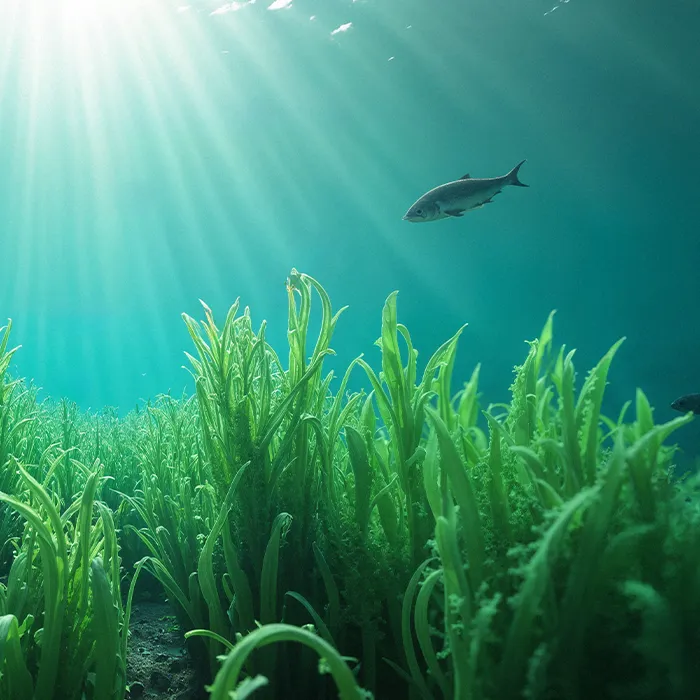
 Increase knowledge and awareness of seagrass ecosystems, their ecological importance, the threats they face and the need for their conservation.
Strengthen ocean and seagrass literacy in primary education, making marine environmental education more accessible to schools and young learners.
Equip primary school teachers with the knowledge, competencies and pedagogical approaches needed to confidently teach seagrass, ocean conservation and environmental sustainability.
Develop innovative educational resources and tools that combine classroom learning, outdoor and experiential activities, and technology-driven learning.
Promote inquiry-based, interdisciplinary and hands-on learning, allowing children to explore the connections between seagrass, biodiversity, climate change, human activity and sustainability.
Encourage environmental stewardship and ocean citizenship, helping children understand their relationship with the marine environment and the actions they can take to protect it.
Bridge identified gaps in seagrass education, using evidence from research with teachers, students, teacher educators and researchers across participating European countries.